Introduction
Learning about Persian history and culture is like opening a door to a completely new world. It is not just about dates and events. It is about language, ideas, traditions, and the way people have understood life for centuries.
Persian studies connect Iran, Central Asia, and many other regions through shared knowledge and cultural exchange. These connections are deep and meaningful, and they help us understand how different societies have influenced each other over time.
Today, this knowledge is easier to explore than ever before. Instead of only relying on books, we can now access discussions, lectures, and research that bring these topics to life. In this blog, we will explore three academic channels that reflect the richness of Persian and Central Asian studies.
Why Persian and Central Asian Studies Still Matter Today
Persian culture has influenced a vast geographical region, from Iran to Central Asia and beyond. Its language has been a carrier of poetry, philosophy, science, and governance for centuries. Understanding this tradition helps us see connections between different civilizations that are often studied separately.
What makes Persian studies especially powerful is their ability to blend multiple disciplines. You will find history connected with literature, religion linked with art, and politics intertwined with philosophy. This interconnected nature makes the subject both complex and fascinating.
For modern learners, engaging with these ideas is not just about gaining knowledge—it is about developing a more global and inclusive perspective.
Three Powerful Academic Channels
| SR. | Channel Name | Focus Area | Best For | Language |
| 1 | EX-PATRIA | Late Antiquity, Sasanian Iran, Byzantine relations, socio-political history, religion | Academic research on cross-border interactions & historical networks | Engliah |
| 2 | Invisible East | Afghanistan, Central Asia, cultural & economic history, written heritage, Buddhism | Understanding overlooked regions & cultural transitions | English |
| 3 | Elahé Omidyar Mir-Djalali Institute | Iranian studies, Persian literature, Zoroastrianism, gender, art, history | Comprehensive and structured Iranian studies learning | English |
1. EX-PATRIA
(Image Source: YouTube – Collège de France)
The EX-PATRIA Project, based at the University of Lille in France and led by Ekaterina Nechaeva, focuses on a fascinating period known as Late Antiquity. This project studies the complex relationships between the Roman (Byzantine) and Persian (Sasanian) worlds, especially along their shared borders.
Rather than looking at these empires in isolation, EX-PATRIA explores how they interacted with each other through diplomacy, religion, education, and political exchange. One of its key areas of focus is the movement of people, especially members of the nobility, across borders. These movements helped create strong social networks that connected different regions and cultures.
The research also highlights how ideas and beliefs traveled between societies. Religious practices, cultural traditions, and political systems were not fixed but were constantly influenced by cross-border interactions. By studying these connections, EX-PATRIA helps us understand how Persian and Byzantine histories are deeply linked rather than separate.
In addition, the project brings together leading scholars who contribute valuable insights into Sasanian Iran, Armenia, and broader socio-political developments. Their work shows how power, identity, and culture were shaped through continuous interaction rather than isolation.
2. Invisible East
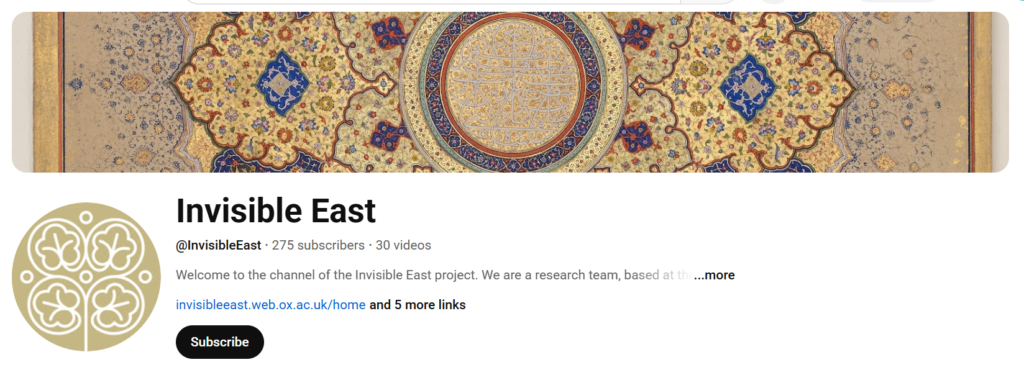
(Image Source: YouTube – Tang Center for Silk Road Studies)
The Invisible East Project, based at the University of Oxford and directed by Arezou Azad, is an important initiative dedicated to uncovering the written and cultural heritage of regions that are often overlooked. Its primary focus is Afghanistan, along with parts of Central Asia, Iran, and Xinjiang.
This project explores a wide range of topics, including cultural and economic history, written traditions, Buddhism, and the transformation of societies over time. One of its most valuable contributions is its focus on everyday life in Late Antique and Medieval Afghanistan. Instead of only studying kings and empires, it looks at how ordinary people lived, communicated, and expressed their identities.
Invisible East also examines major historical transitions, such as the Islamization of Eastern Iranian lands. These changes are studied in a detailed and thoughtful way, helping us understand how cultures evolve through time. The project also highlights important subjects like the Buddhas of Bamiyan, the Sogdian tradition of letter writing, and various philological studies that reveal the depth of written heritage in the region.
Through workshops and academic discussions, the project brings together scholars from different parts of the world. These conversations explore storytelling traditions, historical narratives, and artistic expressions, showing how interconnected these regions were. By doing so, Invisible East helps us see Persian and Central Asian history as part of a larger, shared cultural space.
3. Elahé Omidyar Mir-Djalali Institute
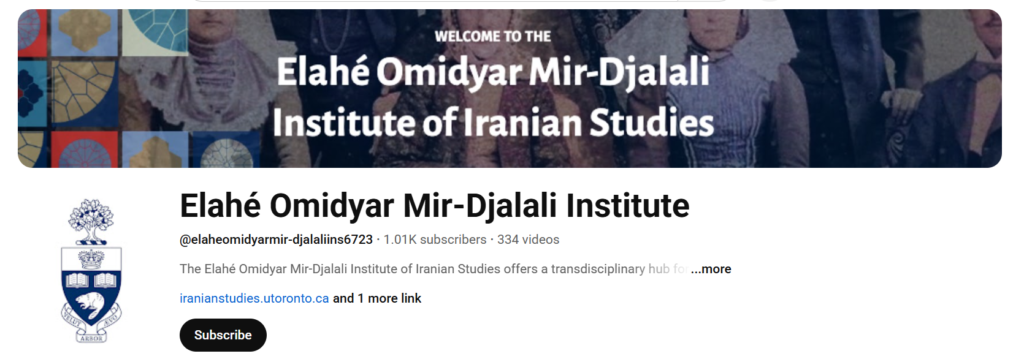
(Image Source: YouTube – Elahé Omidyar Mir-Djalali Institute)
The Elahé Omidyar Mir-Djalali Institute of Iranian Studies at the University of Toronto offers a broad and structured exploration of Iranian culture and history. Established as a center for academic research and learning, it covers a wide range of topics from ancient to modern times.
The institute’s work includes the study of Zoroastrianism, Persian literature, socio-political history, gender studies, and Iranian art. It provides a balanced approach that connects classical knowledge with modern perspectives, making it highly valuable for both students and researchers.
One of the key strengths of this institute is its focus on diverse themes. It explores religious ideas such as Zoroastrian beliefs about the soul and the concept of evil, while also examining historical developments like political authority, social structures, and cultural transformation. At the same time, it gives attention to literature and poetry, including the voices of women poets and their role in shaping Persian literary traditions.
The institute also studies documents and archives, which offer direct insight into how people lived and interacted in different periods. These materials help scholars reconstruct history in a more accurate and meaningful way. In addition, the focus on Persian language teaching and pedagogy ensures that the language itself remains an essential part of cultural understanding.
By bringing together different fields of study, the institute creates a complete and interconnected view of Iranian civilization. It shows that Persian culture is not just about the past, but also about how that past continues to influence the present.
Final Thoughts
Persian and Central Asian studies offer a unique way to understand history, culture, and human connection. The channels discussed in this blog provide a meaningful starting point for anyone who wants to explore this field.
They make complex ideas easier to understand while still keeping their depth. More importantly, they show that learning can be both simple and powerful at the same time.
If you are curious about Persian culture, these resources can help you begin your journey in a thoughtful and engaging way.
فراتر از مرزها: کاوش در دانش فارسی از طریق سه کانال علمی قدرتمند
مقدمه
یادگیری تاریخ و فرهنگ فارسی مانند باز کردن دری به دنیایی کاملاً جدید است. این موضوع فقط درباره تاریخها و رویدادها نیست. بلکه درباره زبان، ایدهها، سنتها و شیوهای است که مردم در طول قرنها زندگی را درک کردهاند.
مطالعات فارسی، ایران، آسیای مرکزی و بسیاری از مناطق دیگر را از طریق دانش مشترک و تبادل فرهنگی به یکدیگر متصل میکند. این ارتباطات عمیق و معنادار هستند و به ما کمک میکنند بفهمیم که چگونه جوامع مختلف در طول زمان بر یکدیگر تأثیر گذاشتهاند.
امروزه، دسترسی به این دانش آسانتر از همیشه شده است. بهجای تکیه فقط بر کتابها، اکنون میتوانیم به بحثها، سخنرانیها و پژوهشهایی دسترسی داشته باشیم که این موضوعات را زنده میکنند. در این وبلاگ، ما سه کانال علمی را بررسی خواهیم کرد که غنای مطالعات فارسی و آسیای مرکزی را نشان میدهند.
چرا مطالعات فارسی و آسیای مرکزی هنوز هم اهمیت دارند
فرهنگ فارسی بر منطقه جغرافیایی گستردهای از ایران تا آسیای مرکزی و فراتر از آن تأثیر گذاشته است. این زبان برای قرنها حامل شعر، فلسفه، علم و حکومتداری بوده است. درک این سنت به ما کمک میکند ارتباطات میان تمدنهای مختلفی را ببینیم که اغلب بهصورت جداگانه مطالعه میشوند.
آنچه مطالعات فارسی را بهویژه قدرتمند میکند، توانایی آن در ترکیب رشتههای مختلف است. در این حوزه، تاریخ با ادبیات، دین با هنر و سیاست با فلسفه درهم آمیختهاند. این ماهیت بههمپیوسته باعث میشود که این موضوع هم پیچیده و هم جذاب باشد.
برای یادگیرندگان امروزی، درگیر شدن با این ایدهها فقط بهمعنای کسب دانش نیست، بلکه به معنای توسعه دیدگاهی جهانیتر و فراگیرتر است.
سه کانال علمی قدرتمند
| شماره | نام کانال | حوزه تمرکز | مناسب برای | زبان |
|---|---|---|---|---|
| ۱ | EX-PATRIA | اواخر دوران باستان، ایران ساسانی، روابط بیزانسی، تاریخ اجتماعی-سیاسی، دین | پژوهشهای علمی درباره تعاملات فرامرزی و شبکههای تاریخی | انگلیسی |
| ۲ | Invisible East | افغانستان، آسیای مرکزی، تاریخ فرهنگی و اقتصادی، میراث مکتوب، بودیسم | درک مناطق کمتر دیدهشده و تحولات فرهنگی | انگلیسی |
| ۳ | Elahé Omidyar Mir-Djalali Institute | مطالعات ایرانی، ادبیات فارسی، زرتشتیگری، جنسیت، هنر، تاریخ | یادگیری جامع و ساختاریافته مطالعات ایرانی | انگلیسی |
۱. EX-PATRIA
(منبع تصویر: یوتیوب – Collège de France)
پروژه EX-PATRIA که در دانشگاه لیل فرانسه مستقر است و توسط اکاترینا نچائوا هدایت میشود، بر دورهای جذاب به نام اواخر دوران باستان تمرکز دارد. این پروژه روابط پیچیده میان جهان رومی (بیزانسی) و ایرانی (ساسانی) را، بهویژه در امتداد مرزهای مشترک آنها، بررسی میکند.
بهجای بررسی این امپراتوریها بهصورت جداگانه، EX-PATRIA بررسی میکند که چگونه آنها از طریق دیپلماسی، دین، آموزش و تبادل سیاسی با یکدیگر تعامل داشتهاند. یکی از حوزههای کلیدی تمرکز آن، جابهجایی افراد، بهویژه اعضای طبقه اشراف، در میان مرزها است. این جابهجاییها به ایجاد شبکههای اجتماعی قوی کمک کردهاند که مناطق و فرهنگهای مختلف را به هم متصل میکردند.
این پژوهش همچنین نشان میدهد که چگونه ایدهها و باورها میان جوامع مختلف منتقل میشدند. شیوههای دینی، سنتهای فرهنگی و نظامهای سیاسی ثابت نبودند، بلکه بهطور مداوم تحت تأثیر تعاملات فرامرزی قرار میگرفتند. با مطالعه این ارتباطات، EX-PATRIA به ما کمک میکند بفهمیم که تاریخهای ایرانی و بیزانسی چقدر به یکدیگر وابسته هستند.
علاوه بر این، این پروژه پژوهشگران برجستهای را گرد هم میآورد که دیدگاههای ارزشمندی درباره ایران ساسانی، ارمنستان و تحولات گسترده اجتماعی-سیاسی ارائه میدهند. کار آنها نشان میدهد که قدرت، هویت و فرهنگ از طریق تعامل مداوم شکل گرفتهاند، نه در انزوا.
۲. Invisible East
(منبع تصویر: یوتیوب – Tang Center for Silk Road Studies)
پروژه Invisible East که در دانشگاه آکسفورد مستقر است و توسط آرزو آزاد هدایت میشود، یک ابتکار مهم برای کشف میراث مکتوب و فرهنگی مناطقی است که اغلب نادیده گرفته میشوند. تمرکز اصلی آن بر افغانستان است، همراه با بخشهایی از آسیای مرکزی، ایران و سینکیانگ.
این پروژه طیف گستردهای از موضوعات، از جمله تاریخ فرهنگی و اقتصادی، سنتهای نوشتاری، بودیسم و تحول جوامع در طول زمان را بررسی میکند. یکی از مهمترین دستاوردهای آن، تمرکز بر زندگی روزمره در افغانستان در اواخر دوران باستان و قرون وسطی است. بهجای تمرکز صرف بر پادشاهان و امپراتوریها، این پروژه به بررسی زندگی، ارتباطات و هویت مردم عادی میپردازد.
Invisible East همچنین به بررسی تحولات تاریخی مهم، مانند اسلامپذیری سرزمینهای ایرانی شرقی میپردازد. این تغییرات بهصورت دقیق و عمیق بررسی میشوند و به ما کمک میکنند بفهمیم فرهنگها چگونه در طول زمان تحول پیدا میکنند. این پروژه همچنین به موضوعاتی مانند بوداهای بامیان، سنت نامهنگاری سغدی و مطالعات زبانشناسی میپردازد که عمق میراث مکتوب منطقه را نشان میدهند.
از طریق کارگاهها و بحثهای علمی، این پروژه پژوهشگرانی از نقاط مختلف جهان را گرد هم میآورد. این گفتگوها سنتهای داستانگویی، روایتهای تاریخی و بیانهای هنری را بررسی میکنند و نشان میدهند که این مناطق چقدر به هم مرتبط بودهاند. به این ترتیب، Invisible East به ما کمک میکند تاریخ فارسی و آسیای مرکزی را بهعنوان بخشی از یک فضای فرهنگی مشترک درک کنیم.
۳. Elahé Omidyar Mir-Djalali Institute
(منبع تصویر: یوتیوب – Elahé Omidyar Mir-Djalali Institute)
مؤسسه مطالعات ایرانی Elahé Omidyar Mir-Djalali در دانشگاه تورنتو، رویکردی گسترده و ساختاریافته به فرهنگ و تاریخ ایران ارائه میدهد. این مرکز بهعنوان یک نهاد پژوهشی و آموزشی، موضوعات متنوعی را از دوران باستان تا دوره معاصر پوشش میدهد.
فعالیتهای این مؤسسه شامل مطالعه زرتشتیگری، ادبیات فارسی، تاریخ اجتماعی-سیاسی، مطالعات جنسیت و هنر ایرانی است. این مرکز رویکردی متعادل ارائه میدهد که دانش کلاسیک را با دیدگاههای مدرن پیوند میدهد و آن را برای دانشجویان و پژوهشگران بسیار ارزشمند میسازد.
یکی از نقاط قوت اصلی این مؤسسه، تمرکز آن بر موضوعات متنوع است. این مرکز به بررسی مفاهیم دینی مانند باورهای زرتشتی درباره روح و مفهوم شر میپردازد و در عین حال تحولات تاریخی مانند قدرت سیاسی، ساختارهای اجتماعی و تغییرات فرهنگی را نیز بررسی میکند. همچنین به ادبیات و شعر، بهویژه صدای شاعران زن و نقش آنها در شکلگیری سنتهای ادبی فارسی توجه ویژه دارد.
این مؤسسه همچنین اسناد و آرشیوها را بررسی میکند که بینش مستقیمی درباره زندگی و تعامل مردم در دورههای مختلف ارائه میدهند. این منابع به پژوهشگران کمک میکنند تاریخ را بهصورت دقیقتر و معنادارتر بازسازی کنند. علاوه بر این، تمرکز بر آموزش زبان فارسی تضمین میکند که خود زبان همچنان بخش مهمی از درک فرهنگی باقی بماند.
با گرد هم آوردن حوزههای مختلف مطالعاتی، این مؤسسه تصویری کامل و بههمپیوسته از تمدن ایرانی ارائه میدهد. این نشان میدهد که فرهنگ فارسی فقط متعلق به گذشته نیست، بلکه همچنان بر زمان حال تأثیر میگذارد.
جمعبندی
مطالعات فارسی و آسیای مرکزی راهی منحصربهفرد برای درک تاریخ، فرهنگ و ارتباطات انسانی ارائه میدهند. کانالهایی که در این وبلاگ بررسی شدند، نقطه شروعی معنادار برای هر کسی هستند که میخواهد این حوزه را کشف کند.
آنها ایدههای پیچیده را سادهتر میکنند، در حالی که عمق خود را حفظ میکنند. مهمتر از همه، نشان میدهند که یادگیری میتواند هم ساده و هم قدرتمند باشد.
اگر به فرهنگ فارسی علاقهمند هستید، این منابع میتوانند به شما کمک کنند سفر خود را بهشیوهای متفکرانه و جذاب آغاز کنید.