Introduction
When we think about Persian history, we often imagine kings, empires, and famous literary works. But there is another side of this story that is just as important. It is the story of knowledge, movement, language, and cultural exchange.
Persian heritage is deeply connected to many regions, especially through the Silk Road and ancient Iranian traditions. These connections helped ideas travel across borders and shaped cultures in powerful ways.
Today, through modern research and academic initiatives, we can explore these connections more clearly. In this blog, we look at three important projects that help us understand Persian heritage from different but connected perspectives.
The Living Legacy of Persian Knowledge
Persian knowledge is not something that belongs only to the past. It is still being studied, preserved, and shared today. What makes it unique is how it connects different parts of the world, from Iran to Central Asia and even further شرق.
This knowledge appears in many forms. Sometimes it is found in ancient manuscripts, sometimes in language, and sometimes in cultural traditions that have survived for centuries. When we study these elements together, we begin to see a bigger picture of history.
These projects help us move beyond simple learning and allow us to experience Persian culture in a deeper and more meaningful way.
Three Powerful Academic Channels
| SR. | Channel Name | Focus Area | Best For | Language |
| 1 | International Dunhuang Programme | Silk Road studies, Dunhuang, manuscripts, material culture, religious history | Exploring Silk Road heritage & cross-cultural exchange | Engliah |
| 2 | Azhyar Foundation | Iranian studies, Pahlavi papyri, Sasanian history, Persian literature, digital humanities | Deep learning in Persian language & Iranian scholarship | Persian (some English) |
| 3 | Ancient Languages and Texts | Old & Middle Iranian languages, inscriptions, numismatics, philology | Learning ancient Iranian languages & textual studies | Persian |
1. International Dunhuang Programme: Where Cultures Meet
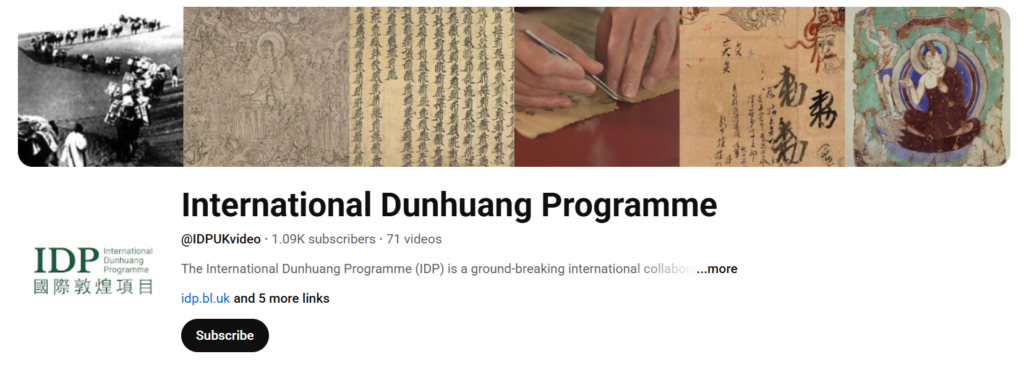
(Image Source: YouTube – International Dunhuang Programme)
The International Dunhuang Programme is one of the most important efforts to study the cultural heritage of the Silk Road. Based at the British Library, it focuses on Dunhuang and other important sites that played a key role in connecting East and West.
This initiative studies a wide range of materials, including manuscripts, paintings, textiles, and historical objects. Each of these items tells a story about life along the Silk Road. They show how people communicated, traded, and shared ideas across long distances.
One of the most interesting aspects of this project is its focus on everyday life. It explores subjects like medicine, music, religion, and language. These topics help us understand not just major historical events, but also how ordinary people lived and interacted.
The research also highlights how different cultures influenced each other. From Buddhist texts to linguistic studies, the materials reveal a world that was full of exchange and transformation. This makes the Silk Road not just a trade route, but a space of shared human experience.
2. Azhyar Foundation: A Persian Voice in Modern Scholarship
(Image Source: YouTube – Azhyar Foundation)
The Azhyar Foundation offers a different but equally important perspective. It is a modern initiative focused on ancient Iranian studies, but what makes it special is its strong connection to the Persian language.
Many of its lectures and discussions are in Persian, which creates a more direct and authentic connection to the subject. This allows Persian-speaking learners to engage with complex ideas in their own language, without losing cultural depth.
The foundation covers a wide range of topics, from Middle Persian texts and Pahlavi papyri to Sasanian history and classical literature. It also includes modern approaches such as digital Iranian studies, showing how traditional knowledge can connect with new methods.
Through conversations, webinars, and scholarly discussions, the foundation creates a space where ideas can be shared and explored freely. It keeps Persian intellectual traditions alive while making them relevant for today’s audience.
3. Ancient Languages and Texts: The Foundation of Iranian Identity
(Image Source: YouTube – Ancient Languages and Texts)
Understanding a culture often begins with understanding its language. The Ancient Languages and Texts project focuses exactly on this idea by exploring old and middle Iranian languages in detail.
It covers languages such as Old Persian, Avestan, Middle Persian, Sogdian, and Parthian. These languages are not just tools of communication, they are keys to understanding history, belief systems, and identity.
The project also studies inscriptions and coins, especially from important periods like the Achaemenid Empire. These materials provide direct evidence of how people expressed power, recorded events, and represented themselves.
What makes this initiative valuable is its depth. It does not simplify history but instead allows learners to explore it in its original form. For Persian-speaking audiences, it also offers a rare opportunity to study these complex subjects in their own language.
A Connected View of Persian Culture
When we look at these three projects together, a clear picture begins to form. Persian culture is not isolated. It is connected to trade routes, languages, religions, and historical movements.
The Silk Road shows us how cultures met and exchanged ideas. The Azhyar Foundation shows how Persian knowledge continues to live and grow today. The study of ancient languages shows us where all of this began.
Each perspective adds something important, and together they help us understand Persian heritage in a more complete way.
Final Thoughts
Exploring Persian culture through these projects is like putting together pieces of a larger puzzle. Each piece reveals something new, and together they create a meaningful story.
They remind us that history is not just about the past. It is about connections, identities, and ideas that continue to shape our world.
For anyone interested in Persian and Iranian studies, these projects offer a thoughtful and engaging way to begin exploring this rich and fascinating field.
یادگیری میراث فارسی به سادهترین شکل: ۳ پلتفرم مهم که باید بشناسید
مقدمه
وقتی به تاریخ ایران فکر میکنیم، اغلب پادشاهان، امپراتوریها و آثار ادبی مشهور به ذهن میآیند. اما جنبهای دیگر از این تاریخ وجود دارد که به همان اندازه اهمیت دارد. این جنبه، داستان دانش، حرکت، زبان و تبادل فرهنگی است.
میراث فارسی بهطور عمیقی با مناطق مختلف، بهویژه از طریق جاده ابریشم و سنتهای کهن ایرانی، در ارتباط است. این ارتباطات باعث شدند که ایدهها از مرزها عبور کنند و فرهنگها را به شیوهای قدرتمند شکل دهند.
امروزه، از طریق پژوهشهای مدرن و ابتکارات علمی، میتوانیم این ارتباطات را واضحتر درک کنیم. در این مقاله، به سه پروژه مهم میپردازیم که به ما کمک میکنند میراث فارسی را از دیدگاههای متفاوت اما مرتبط بهتر بشناسیم.
میراث زنده دانش فارسی
دانش فارسی تنها متعلق به گذشته نیست. این دانش هنوز هم در حال مطالعه، حفظ و انتقال است. آنچه آن را منحصربهفرد میکند، ارتباط آن با بخشهای مختلف جهان، از ایران تا آسیای مرکزی و حتی فراتر از آن است.
این دانش در شکلهای مختلفی ظاهر میشود. گاهی در نسخههای خطی باستانی، گاهی در زبان، و گاهی در سنتهای فرهنگی که قرنها دوام آوردهاند. وقتی این عناصر را در کنار هم بررسی میکنیم، تصویر بزرگتری از تاریخ به دست میآوریم.
این پروژهها به ما کمک میکنند فراتر از یادگیری ساده برویم و فرهنگ فارسی را به شکلی عمیقتر و معنادارتر تجربه کنیم.
۱. برنامه بینالمللی دونهوانگ: جایی که فرهنگها به هم میرسند
(منبع تصویر: یوتیوب – برنامه بینالمللی دونهوانگ)
برنامه بینالمللی دونهوانگ یکی از مهمترین تلاشها برای مطالعه میراث فرهنگی جاده ابریشم است. این برنامه که در کتابخانه بریتانیا مستقر است، بر دونهوانگ و دیگر مکانهای مهمی تمرکز دارد که نقش کلیدی در ارتباط شرق و غرب داشتهاند.
این پروژه مجموعه گستردهای از مواد را بررسی میکند، از جمله نسخههای خطی، نقاشیها، منسوجات و اشیای تاریخی. هر یک از این موارد داستانی درباره زندگی در امتداد جاده ابریشم روایت میکند. آنها نشان میدهند که مردم چگونه ارتباط برقرار میکردند، تجارت میکردند و ایدهها را در فواصل طولانی به اشتراک میگذاشتند.
یکی از جالبترین جنبههای این پروژه، تمرکز آن بر زندگی روزمره است. موضوعاتی مانند پزشکی، موسیقی، دین و زبان بررسی میشوند. این موضوعات به ما کمک میکنند نهتنها رویدادهای مهم تاریخی، بلکه نحوه زندگی و تعامل مردم عادی را نیز درک کنیم.
این پژوهشها همچنین نشان میدهند که فرهنگهای مختلف چگونه بر یکدیگر تأثیر گذاشتهاند. از متون بودایی گرفته تا مطالعات زبانی، این منابع جهانی را نشان میدهند که سرشار از تبادل و تحول بوده است. به این ترتیب، جاده ابریشم تنها یک مسیر تجاری نیست، بلکه فضایی برای تجربه مشترک انسانی است.
۲. بنیاد آژیار: صدای فارسی در پژوهشهای معاصر
(منبع تصویر: یوتیوب – بنیاد آژیار)
بنیاد آژیار دیدگاهی متفاوت اما به همان اندازه مهم ارائه میدهد. این یک ابتکار مدرن در زمینه مطالعات ایران باستان است، اما آنچه آن را ویژه میکند، ارتباط قوی آن با زبان فارسی است.
بسیاری از سخنرانیها و گفتوگوهای این بنیاد به زبان فارسی برگزار میشوند، که این امر ارتباطی مستقیمتر و اصیلتر با موضوع ایجاد میکند. این موضوع به فارسیزبانان اجازه میدهد تا مفاهیم پیچیده را در زبان خود درک کنند، بدون اینکه عمق فرهنگی از بین برود.
این بنیاد طیف گستردهای از موضوعات را پوشش میدهد؛ از متون فارسی میانه و پاپیروسهای پهلوی گرفته تا تاریخ ساسانی و ادبیات کلاسیک فارسی. همچنین رویکردهای مدرن مانند علوم انسانی دیجیتال را نیز شامل میشود و نشان میدهد که چگونه دانش سنتی میتواند با روشهای جدید پیوند بخورد.
از طریق گفتوگوها، وبینارها و مباحث علمی، این بنیاد فضایی ایجاد میکند که در آن ایدهها آزادانه به اشتراک گذاشته و بررسی میشوند. این کار باعث میشود سنتهای فکری فارسی زنده بمانند و برای مخاطبان امروزی نیز قابلدرک باشند.
۳. زبانها و متون باستانی: پایههای هویت ایرانی
(منبع تصویر: یوتیوب – زبانها و متون باستانی)
درک یک فرهنگ اغلب با درک زبان آن آغاز میشود. پروژه زبانها و متون باستانی دقیقاً بر همین ایده تمرکز دارد و به بررسی دقیق زبانهای ایرانی باستان و میانه میپردازد.
این پروژه زبانهایی مانند فارسی باستان، اوستایی، فارسی میانه، سغدی و پارتی را پوشش میدهد. این زبانها تنها ابزار ارتباط نیستند، بلکه کلیدهایی برای درک تاریخ، نظامهای فکری و هویت هستند.
این پروژه همچنین کتیبهها و سکهها را بررسی میکند، بهویژه از دورههای مهمی مانند امپراتوری هخامنشی. این منابع شواهد مستقیمی از نحوه بیان قدرت، ثبت رویدادها و بازنمایی هویت ارائه میدهند.
آنچه این پروژه را ارزشمند میکند، عمق آن است. این پروژه تاریخ را سادهسازی نمیکند، بلکه به یادگیرندگان اجازه میدهد آن را در شکل اصلی خود بررسی کنند. برای فارسیزبانان نیز فرصتی نادر فراهم میکند تا این موضوعات پیچیده را در زبان خود مطالعه کنند.
نگاهی یکپارچه به فرهنگ فارسی
وقتی این سه پروژه را در کنار هم قرار میدهیم، تصویر واضحتری شکل میگیرد. فرهنگ فارسی جدا از دیگر فرهنگها نیست، بلکه با مسیرهای تجاری، زبانها، ادیان و تحولات تاریخی در ارتباط است.
جاده ابریشم نشان میدهد که فرهنگها چگونه با یکدیگر دیدار و تبادل داشتهاند. بنیاد آژیار نشان میدهد که دانش فارسی چگونه همچنان زنده و در حال رشد است. و مطالعه زبانهای باستانی نشان میدهد که این مسیر از کجا آغاز شده است.
هر یک از این دیدگاهها بخشی از حقیقت را روشن میکند و در کنار هم، درک کاملتری از میراث فارسی به ما میدهند.
نتیجهگیری
بررسی فرهنگ فارسی از طریق این پروژهها مانند کنار هم قرار دادن قطعات یک پازل بزرگ است. هر قطعه نکتهای تازه را آشکار میکند و در کنار هم، داستانی معنادار شکل میدهند.
این پروژهها به ما یادآوری میکنند که تاریخ تنها مربوط به گذشته نیست، بلکه درباره ارتباطات، هویتها و ایدههایی است که همچنان دنیای ما را شکل میدهند.
برای هر کسی که به مطالعات ایرانی و فارسی علاقهمند است، این منابع راهی ارزشمند و جذاب برای آغاز این مسیر هستند.