Introduction
Persian culture is full of beauty and history. From ancient Iran to modern times, Persian heritage is seen in art, architecture, language, and everyday life. Patterns, poetry, and calligraphy all tell stories about Persian identity and ideas.
Today, exploring Persian heritage is easier than ever. You can learn about Persian language, study designs, and appreciate cultural art in simple, accessible ways.
In this blog, we look at two important areas to understand Persian culture better: Persian language (Farsi) and Persian design. One focuses on the written word, while the other shows how artistic patterns tell cultural stories.
Why Persian Heritage Matters Today
Persian heritage is not just about the past. It influences modern art, architecture, and design around the world. Learning about Persian culture helps us understand history, identity, and creativity.
By studying Persian language and design, we can connect with original sources of knowledge, rather than relying on simplified explanations. These elements show how creativity, beauty, and meaning travel through time.
Two Essential Platforms to Explore Heritage
| SR. | Platform Name | Focus Area | Best For | Language |
|---|---|---|---|---|
| 1 | Zoroastrian Middle Persian Digital Corpus and Dictionary (MPCD) | Middle Persian texts, Pahlavi script, lexicography, digital corpus | Accessing original Zoroastrian texts and studying Middle Persian | English |
| 2 | Silk Road Virtual Museum | Silk Road history, material culture, virtual exhibitions | Exploring art, cities, and cultural exchange along the Silk Road | English & multilingual guides |
1. MPCD: Bringing Ancient Persian Texts to Your Screen
(Image Source: Web – Silk Road Virtual Museum)
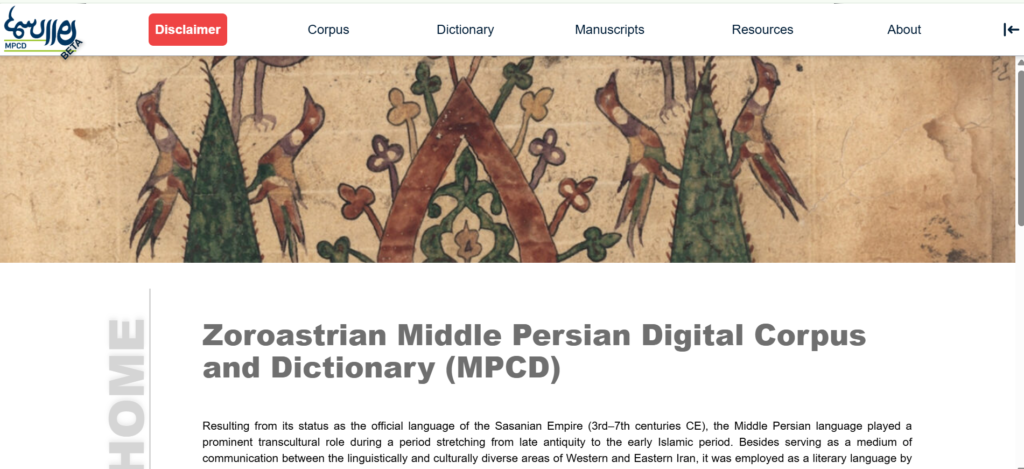
The Zoroastrian Middle Persian Digital Corpus and Dictionary (MPCD) is a project that focuses on Middle Persian texts written in Pahlavi script. It builds a digital corpus and a comprehensive dictionary, making important historical texts accessible to everyone.
The corpus includes around 50 texts, mostly based on the oldest Pahlavi codices from the 13th to 17th centuries. Although the website is still under development, many key texts like Denkard and Bundahišn are already available.
Texts are annotated across several layers: orthography and phonography, grammar, semantics, and intertextual links to Avestan originals. This allows learners to study the texts in detail and connect with the culture of ancient Iran.
This project is a collaboration between Ruhr-University Bochum, Freie Universität Berlin, and University of Cologne, funded as a long-term project from 2021 to 2030. It is an invaluable resource for anyone interested in Zoroastrian studies or Persian language history.
2. Silk Road Virtual Museum: Explore History Virtually
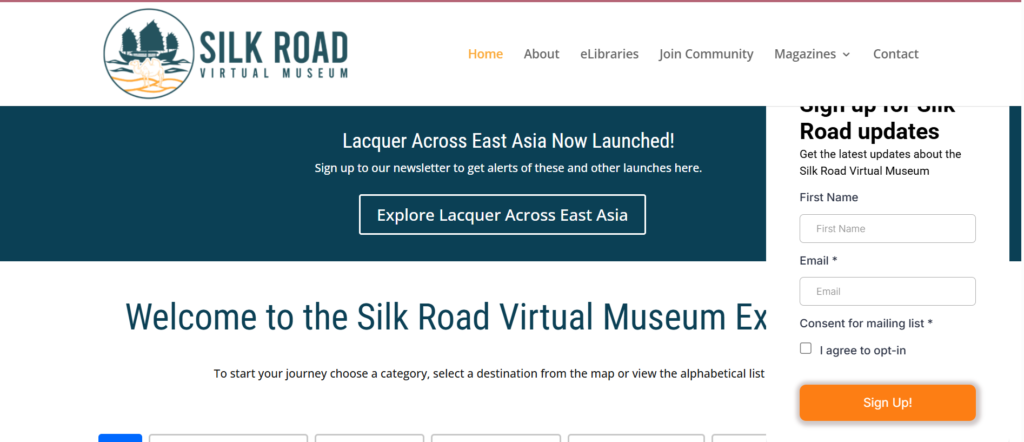
(Image Source: Web – Silk Road Virtual Museum)
The Silk Road Virtual Museum brings the art, culture, and history of Silk Road cities to life online. Developed by Leiden University and VirtualMuseum360, it offers 360° virtual exhibitions with multilingual audio guides and scholarly resources.
The museum covers cities and regions from Late Antiquity to 1450 AD. Visitors can explore curated exhibitions like Byzantine empires, caravanserais, Ming Dynasty China, Sogdian traders, and the Sasanian Empire. Each exhibition highlights cultural exchange, trade, and creativity along the Silk Road.
This virtual museum allows users to experience history in an interactive way. You can learn about architecture, art, and daily life without leaving your home, making it ideal for students, educators, and curious learners alike.
A Connected View of Persian Culture
Language and design complement each other. Farsi gives voice to culture through words, while design expresses it visually. Together, they provide a complete understanding of Persian heritage. One shows the ideas, while the other shows how those ideas look and feel.
Final Thoughts
Exploring Persian language and design is like opening a treasure chest. Each word and each pattern reveals something new. Persian culture is not only rich in history but also alive in creativity, art, and ongoing learning.
Whether you are reading a poem, admiring a carpet, or studying calligraphy, these resources give you a deeper connection to Persian heritage.
میراث ایرانی بهسادگی: منابع دیجیتال برای متون و سفر
مقدمه
فرهنگ ایرانی پر از زیبایی و تاریخ است. از ایران باستان تا امروز، میراث ایرانی در هنر، معماری، زبان و زندگی روزمره دیده میشود. الگوها، شعر و خوشنویسی همه داستانهایی درباره هویت و ایدههای ایرانی روایت میکنند.
امروزه، کاوش در میراث ایرانی آسانتر از همیشه است. شما میتوانید زبان فارسی را بیاموزید، طراحیها را مطالعه کنید و از هنر فرهنگی به شیوهای ساده و قابل دسترس لذت ببرید.
در این بلاگ، ما به دو حوزه مهم برای درک بهتر فرهنگ ایرانی نگاه میکنیم: زبان فارسی و طراحی ایرانی. یکی بر کلمه نوشته شده تمرکز دارد و دیگری نشان میدهد که الگوهای هنری چگونه داستانهای فرهنگی را روایت میکنند.
چرا میراث ایرانی امروز اهمیت دارد
میراث ایرانی فقط مربوط به گذشته نیست. این میراث بر هنر، معماری و طراحی مدرن در سراسر جهان تأثیر میگذارد. یادگیری درباره فرهنگ ایرانی به ما کمک میکند تاریخ، هویت و خلاقیت را بهتر درک کنیم.
با مطالعه زبان و طراحی ایرانی، میتوانیم با منابع اصلی دانش ارتباط برقرار کنیم، به جای آنکه تنها به توضیحات سادهشده بسنده کنیم. این عناصر نشان میدهند که چگونه خلاقیت، زیبایی و معنا در طول زمان منتقل میشوند.
دو پلتفرم اساسی برای کاوش میراث
| SR. | نام پلتفرم | حوزه تمرکز | مناسب برای | زبان |
|---|---|---|---|---|
| 1 | دایرةالمعارف و فرهنگ لغت دیجیتال فارسی میانه زرتشتی (MPCD) | متون فارسی میانه، خط پهلوی، لغتنامه، مجموعه دیجیتال | دسترسی به متون زرتشتی اصلی و مطالعه فارسی میانه | انگلیسی |
| 2 | موزه مجازی جاده ابریشم | تاریخ جاده ابریشم، فرهنگ مادی، نمایشگاههای مجازی | کاوش هنر، شهرها و تبادلات فرهنگی در طول جاده ابریشم | انگلیسی و راهنمای چندزبانه |
۱. MPCD: آوردن متون قدیمی ایرانی به صفحه شما
دایرةالمعارف و فرهنگ لغت دیجیتال فارسی میانه زرتشتی (MPCD) پروژهای است که بر متون فارسی میانه به خط پهلوی تمرکز دارد. این پروژه یک مجموعه دیجیتال و فرهنگ لغت جامع ایجاد میکند و متون تاریخی مهم را برای همه قابل دسترس میسازد.
این مجموعه شامل حدود ۵۰ متن است که بیشتر بر اساس قدیمیترین نسخههای پهلوی از قرن ۱۳ تا ۱۷ میباشد. اگرچه وبسایت هنوز در حال توسعه است، بسیاری از متون کلیدی مانند دینکرد و بنداهش هماکنون در دسترس هستند.
متون در چندین لایه نشانهگذاری شدهاند: املایی و آوایی، دستور زبان، معناشناسی و ارتباط بین متون زنده و نسخههای اوستایی. این امر به یادگیرندگان اجازه میدهد متون را به طور دقیق مطالعه کنند و با فرهنگ ایران باستان ارتباط برقرار نمایند.
این پروژه همکاری بین دانشگاه روهر بوخوم، دانشگاه آزاد برلین و دانشگاه کلن است و به عنوان یک پروژه بلندمدت از ۲۰۲۱ تا ۲۰۳۰ تامین مالی شده است. این یک منبع ارزشمند برای هر کسی است که به مطالعات زرتشتی یا تاریخ زبان فارسی علاقهمند است.
۲. موزه مجازی جاده ابریشم: کاوش تاریخ به صورت مجازی
موزه مجازی جاده ابریشم هنر، فرهنگ و تاریخ شهرهای جاده ابریشم را به صورت آنلاین زنده میکند. این پروژه که توسط دانشگاه لیدن و VirtualMuseum360 توسعه یافته، نمایشگاههای مجازی ۳۶۰ درجه با راهنمای صوتی چندزبانه و منابع علمی ارائه میدهد.
این موزه شهرها و مناطق را از دوران باستان تا سال ۱۴۵۰ میلادی پوشش میدهد. بازدیدکنندگان میتوانند نمایشگاههای منتخب مانند امپراتوریهای بیزانس، کاروانسراها، چین سلسله مینگ، تجار سغدی و امپراتوری ساسانی را کاوش کنند. هر نمایشگاه بر تبادل فرهنگی، تجارت و خلاقیت در طول جاده ابریشم تأکید دارد.
این موزه مجازی به کاربران امکان میدهد تاریخ را به صورت تعاملی تجربه کنند. میتوانید درباره معماری، هنر و زندگی روزمره بیاموزید بدون اینکه از خانه خارج شوید، و این آن را برای دانشآموزان، معلمان و علاقهمندان کنجکاو ایدهآل میکند.
دیدگاه متصل از فرهنگ ایرانی
زبان و طراحی یکدیگر را تکمیل میکنند. فارسی با کلمات فرهنگ را بیان میکند، در حالی که طراحی آن را به صورت بصری نشان میدهد. با هم، آنها درک کاملی از میراث ایرانی ارائه میدهند. یکی ایدهها را نشان میدهد و دیگری نشان میدهد که این ایدهها چگونه دیده و احساس میشوند.
افکار نهایی
کاوش زبان و طراحی ایرانی مانند باز کردن یک صندوق گنج است. هر کلمه و هر الگو چیزی جدید را آشکار میکند. فرهنگ ایرانی نه تنها در تاریخ غنی است بلکه در خلاقیت، هنر و یادگیری مداوم زنده است.
چه در حال خواندن یک شعر، تحسین یک فرش، یا مطالعه خوشنویسی باشید، این منابع به شما ارتباط عمیقتری با میراث ایرانی میدهند.