Introduction
Zoroastrianism is one of the oldest religions in the world, and it plays an important role in Persian history and identity. From ancient Iran to modern diaspora communities, its influence can still be seen in culture, language, and traditions.
Today, learning about Zoroastrian heritage is easier than ever. Thanks to modern platforms and research projects, we can explore both historical texts and living traditions in a simple and accessible way.
In this blog, we look at two valuable platforms that help us understand Zoroastrianism from different perspectives. One focuses on community and discussions, while the other provides direct access to ancient texts.
Why Zoroastrian Studies Still Matter Today
Zoroastrian studies are not just about religion. They are about history, identity, language, and culture. Many important ideas in Persian civilization, including ethics, governance, and literature, are connected to Zoroastrian thought.
By studying this tradition, we can better understand how ancient ideas shaped modern societies. It also helps us connect with original sources, rather than only relying on simplified summaries.
These platforms make this learning process easier and more engaging for both beginners and advanced learners.
Two Essential Platforms for Zoroastrian Learning
| SR. | Channel Name | Focus Area | Best For | Language |
| 1 | FEZANA | Zoroastrianism, Zoroastrian diaspora, history of Zoroastrianism, research, rituals & community life | Understanding Zoroastrian community and academic discussions | Engliah |
| 3 | Pārsīg Database | Middle Persian texts, Zoroastrian texts, Pahlavi, Zand, lexicography, translations | Studying original texts and learning Middle Persian | English & Persian |
1. FEZANA: Connecting Community and Scholarship
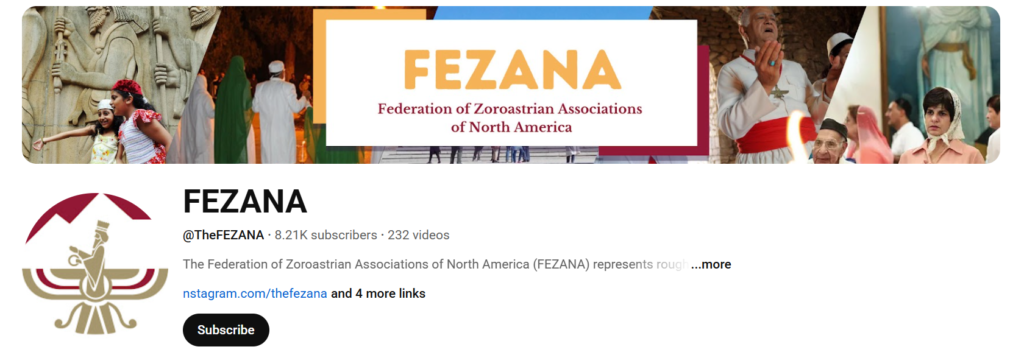
(Image Source: YouTube – FEZANA)
FEZANA represents the Federation of Zoroastrian Associations of North America. It offers a wide range of content related to Zoroastrian life, especially within diaspora communities.
The platform shares educational material, prayers, ceremonies, and discussions about Zoroastrian traditions. This makes it a useful space for understanding how the religion is practiced today.
One of its most valuable features is the “Zoroastrian Conversations” series. Led by Professor Yuhan Vevaina, this series brings together well-known scholars in the field. Their discussions provide deep insights into Zoroastrian and Avestan studies in a simple and engaging way.
In addition to this, the platform includes lectures on topics such as manuscripts, Middle Persian language, and historical developments. These resources make it helpful not only for general audiences but also for students of Iranian studies.
2. Pārsīg Database: Accessing the Roots of Zoroastrian Texts
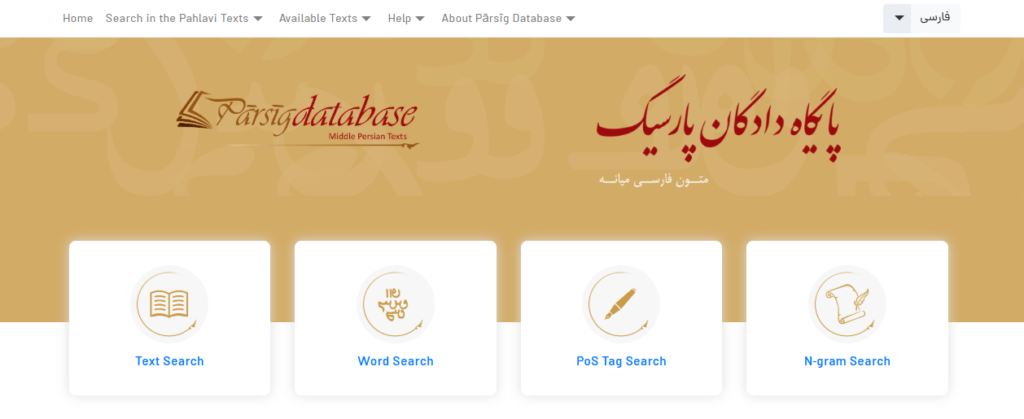
(Image Source: Official Website – Pārsīg Database)
The Pārsīg Database is a research project focused on making Middle Persian texts accessible to everyone. It is based in Tehran and led by Farzaneh Gostasb, a respected scholar in the field.
This platform allows users to explore original texts along with their transcriptions, transliterations, and translations. It supports both Persian and English, making it easier for different audiences to benefit from it.
One of its strongest features is its dictionary, which is especially helpful for students learning Middle Persian. It allows users to understand words and meanings directly from original sources.
By providing access to authentic materials, the project helps users go beyond summaries and connect with real historical texts. This makes it an essential tool for anyone serious about studying Zoroastrianism and ancient Iranian culture.
A Balanced View: Tradition and Text
These two platforms complement each other in a meaningful way. FEZANA focuses on living traditions, discussions, and modern perspectives. On the other hand, the Pārsīg Database takes us back to the original sources and ancient texts.
Together, they offer a balanced understanding of Zoroastrian heritage. One shows how the tradition lives today, while the other reveals its historical roots.
Final Thoughts
Exploring Zoroastrianism through these platforms gives us a deeper and more complete understanding of Persian heritage. It connects past and present in a meaningful way.
Whether you are interested in community life, academic discussions, or ancient texts, these resources provide a strong starting point.
They remind us that Persian culture is not only rich in history but also alive in knowledge, research, and ongoing learning.
درک میراث زرتشتی: ۲ پلتفرم قدرتمند برای کاوش
مقدمه
زرتشتیگری یکی از قدیمیترین دینهای جهان است و نقش مهمی در تاریخ و هویت ایرانی دارد. از ایران باستان تا جوامع مهاجر مدرن، تأثیر آن هنوز در فرهنگ، زبان و سنتها قابل مشاهده است.
امروزه یادگیری درباره میراث زرتشتی آسانتر از همیشه شده است. به لطف پلتفرمها و پروژههای پژوهشی مدرن، میتوانیم هم به متون تاریخی و هم به سنتهای زنده به روشی ساده و قابل دسترسی دست یابیم.
در این بلاگ، به دو پلتفرم ارزشمند میپردازیم که به درک زرتشتیگری از دیدگاههای متفاوت کمک میکنند. یکی بر جامعه و بحثها تمرکز دارد و دیگری دسترسی مستقیم به متون کهن را فراهم میکند.
چرا مطالعات زرتشتی هنوز مهم است
مطالعات زرتشتی تنها درباره دین نیست. این مطالعات درباره تاریخ، هویت، زبان و فرهنگ است. بسیاری از ایدههای مهم در تمدن ایرانی، از جمله اخلاق، حکومت و ادبیات، با تفکر زرتشتی مرتبط هستند.
با مطالعه این سنت، میتوانیم بهتر درک کنیم که چگونه ایدههای باستانی جوامع مدرن را شکل دادهاند. همچنین کمک میکند تا با منابع اصلی ارتباط برقرار کنیم، نه فقط به تکیه بر خلاصههای ساده.
این پلتفرمها فرآیند یادگیری را برای مبتدیان و دانشجویان پیشرفته ساده و جذاب میکنند.
دو پلتفرم ضروری برای یادگیری زرتشتی
SR. نام کانال حوزه تمرکز مناسب برای زبان
۱ FEZANA زرتشتیگری، دیاسپورای زرتشتی، تاریخ زرتشتیگری، پژوهش، آیینها و زندگی اجتماعی درک جامعه زرتشتی و بحثهای علمی انگلیسی
۲ Pārsīg Database متون فارسی میانه، متون زرتشتی، پهلوی، زند، واژهنامه، ترجمهها مطالعه متون اصلی و یادگیری فارسی میانه فارسی و انگلیسی
۱. FEZANA: پیوند جامعه و پژوهش
(منبع تصویر: یوتیوب – FEZANA)
FEZANA نماینده فدراسیون انجمنهای زرتشتی آمریکای شمالی است. این پلتفرم مجموعه گستردهای از محتوای مرتبط با زندگی زرتشتی، به ویژه در جوامع مهاجر، ارائه میدهد.
این پلتفرم مطالب آموزشی، دعاها، مراسم و بحثهایی درباره سنتهای زرتشتی را به اشتراک میگذارد. این موضوع آن را به فضایی مفید برای درک نحوه اجرای دین در امروز تبدیل میکند.
یکی از ویژگیهای ارزشمند آن، سری گفتوگوهای زرتشتی است که توسط پروفسور یوهن وِواینا هدایت میشود. این سری، جمعی از پژوهشگران شناخته شده در زمینه مطالعات زرتشتی و اوستایی را گرد هم میآورد. بحثهای آنها بینش عمیقی را به شیوهای ساده و جذاب ارائه میدهد.
علاوه بر این، پلتفرم شامل سخنرانیهایی در موضوعاتی مانند نسخههای خطی، زبان فارسی میانه و تحولات تاریخی است. این منابع نه تنها برای عموم بلکه برای دانشجویان مطالعات ایرانی نیز مفید هستند.
۲. پایگاه داده Pārsīg: دسترسی به ریشههای متون زرتشتی
(منبع تصویر: وبسایت رسمی – Pārsīg Database)
پایگاه داده Pārsīg پروژهای پژوهشی است که متون فارسی میانه را در دسترس همگان قرار میدهد. این پروژه در تهران مستقر است و توسط فرزانه گشتاسب، پژوهشگر برجسته در این زمینه، هدایت میشود.
این پلتفرم امکان کاوش در متون اصلی همراه با رونویسی، تبدیل خط و ترجمهها را فراهم میکند. همچنین از هر دو زبان فارسی و انگلیسی پشتیبانی میکند تا گروههای مختلف بتوانند از آن بهرهمند شوند.
یکی از قویترین ویژگیهای آن، فرهنگ لغت این پایگاه است که به ویژه برای دانشجویانی که فارسی میانه میآموزند مفید است. این امکان را فراهم میکند تا کاربران مستقیماً با کلمات و معانی متون اصلی ارتباط برقرار کنند.
با ارائه دسترسی به منابع اصیل، این پروژه به کاربران کمک میکند تا فراتر از خلاصهها پیش رفته و با متون تاریخی واقعی ارتباط برقرار کنند. این امر آن را به ابزاری ضروری برای هر کسی که به مطالعه زرتشتیگری و فرهنگ ایرانی باستان علاقهمند است تبدیل میکند.
دیدگاه متعادل: سنت و متن
این دو پلتفرم به شیوهای معنادار یکدیگر را تکمیل میکنند. FEZANA بر سنتهای زنده، بحثها و دیدگاههای مدرن تمرکز دارد. از سوی دیگر، پایگاه داده Pārsīg ما را به متون اصلی و کهن میبرد.
با هم، آنها درک متعادلی از میراث زرتشتی ارائه میدهند. یکی نشان میدهد سنت امروز چگونه زنده است و دیگری ریشههای تاریخی آن را آشکار میسازد.
نتیجهگیری
کاوش زرتشتیگری از طریق این پلتفرمها، درک عمیقتر و کاملتری از میراث ایرانی به ما میدهد. این منابع گذشته و حال را به روشی معنادار به هم پیوند میدهند.
چه به زندگی جامعه، بحثهای علمی یا متون باستانی علاقهمند باشید، این منابع نقطه شروعی قوی برای شما فراهم میکنند.
آنها به ما یادآوری میکنند که فرهنگ ایرانی تنها غنی از تاریخ نیست، بلکه در دانش، پژوهش و یادگیری مداوم نیز زنده است.